Are Flavored Lubricants Safe or Risky? Let’s Talk Honestly
Flavored lubricants are often marketed as playful, exciting, and ideal for oral intimacy. Yet many people quietly wonder: Are flavored lubricants safe? If you’ve hesitated before trying one, you’re not overthinking. Intimate products interact with delicate tissue and microbiomes, so curiosity about safety is not anxiety — it’s body awareness.
As a therapist-informed educator, I often remind clients that pleasure and protection can coexist. When we understand ingredients, pH balance, and how the nervous system responds to comfort versus irritation, we make decisions from clarity instead of fear. Let’s explore what makes flavored lubricants safe, what increases risk, and how to choose wisely.
Table of Contents – Are Flavored Lubricants Safe
- Why Flavored Lubricants Are Popular
- Ingredient Safety and Hidden Risks
- Vaginal Use vs Oral Use
- The Nervous System and Safety Signals
- How to Choose a Safer Flavored Lubricant
- Comfort, Trust, and Intimate Connection
- Key Takeaways
- Frequently Asked Questions
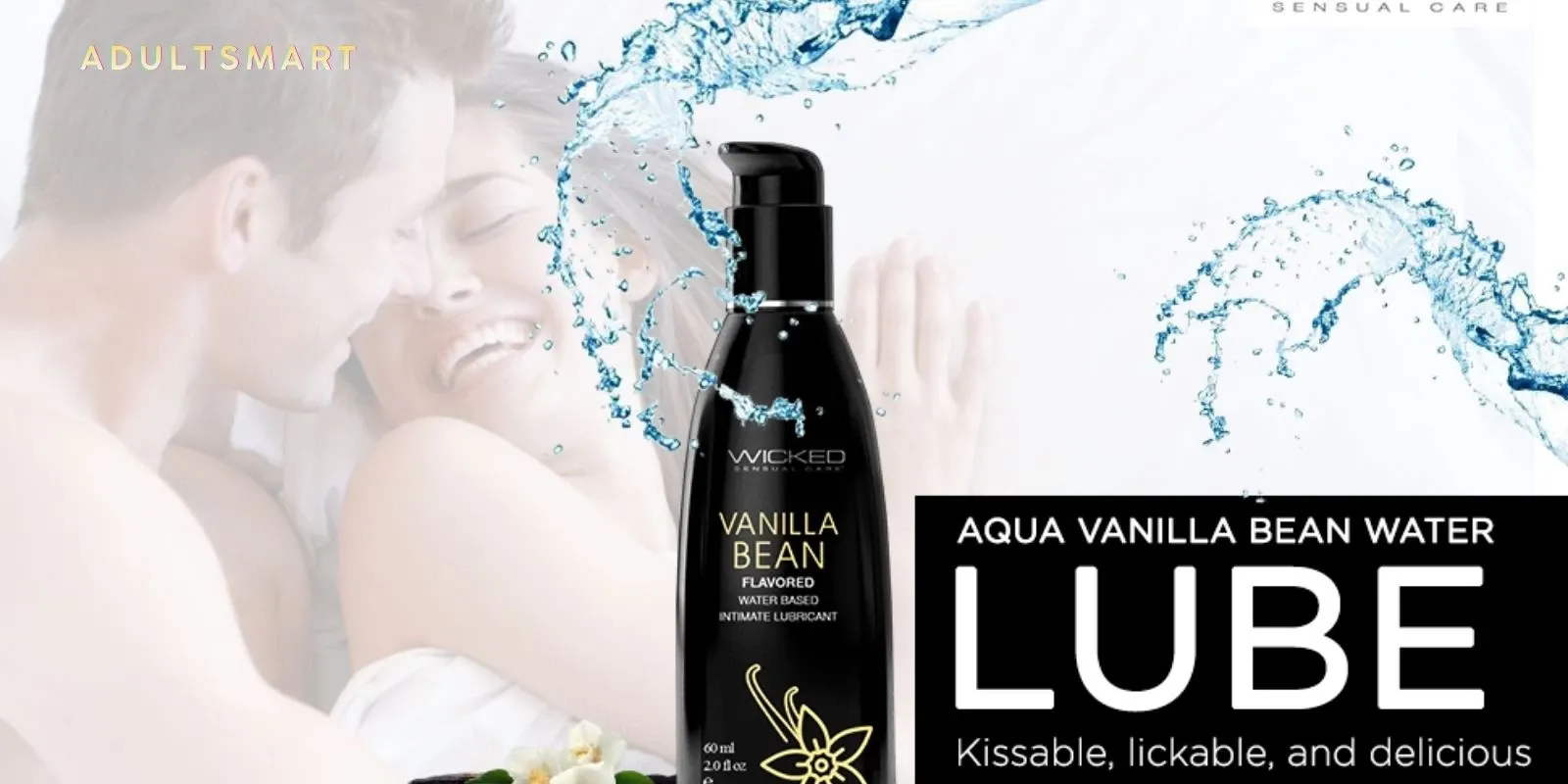
Why Flavored Lubricants Are Popular
Flavored lubricants are designed to enhance oral intimacy by masking natural tastes and adding novelty. For many couples, they reduce self-consciousness and make experiences feel lighter and more playful. In my studies of relational dynamics, I’ve noticed that novelty often lowers inhibition, which can increase emotional bonding when both partners feel safe.
However, novelty sometimes overrides discernment. Marketing rarely highlights ingredient quality or microbiome impact. When clients ask, “Are flavored lubricants safe?” they are usually seeking reassurance that pleasure will not come at the cost of discomfort later. That is a valid concern worth unpacking carefully.
Ingredient Safety and Hidden Risks
The safety of flavored lubricants largely depends on formulation. Some products use sugar or glycerin to create sweetness. While this may improve taste, sugar can disrupt vaginal pH balance and potentially contribute to yeast overgrowth. According to Vinmec’s overview on edible lubricants, not all flavored lubes are designed for internal use, and ingredient awareness matters.
Artificial fragrances and certain preservatives may also irritate sensitive tissue. The vaginal microbiome thrives in a slightly acidic environment. When pH is disrupted, symptoms like itching, burning, or discharge may follow. In my clinical observations, irritation often leads to anxiety around future intimacy, creating a protective tightening response in the body.
There are also myths circulating online. The article debunking common flavored lube myths explains that not every flavored formula is harmful, but transparency and quality control vary widely between brands. Understanding this nuance prevents unnecessary fear while encouraging informed choices.
Vaginal Use vs Oral Use
One important distinction when asking “Are flavored lubricants safe?” is how the product will be used. Many flavored lubricants are primarily intended for external or oral application. Using them internally without verifying compatibility can increase irritation risk, particularly for individuals prone to infections.
If vaginal dryness is already present, sensitivity may be heightened. For example, women navigating hormonal changes may benefit from reading about lubricant for menopause dryness to understand how delicate post-menopausal tissue can be. In these cases, flavored additives may not be ideal for internal use.
When considering internal application, it is often safer to choose a high-quality base formula and reserve flavored products for oral play only. This layered approach protects the microbiome while preserving enjoyment. Safety becomes less about restriction and more about intelligent adaptation.
The Nervous System and Safety Signals
The body continuously scans for safety. If a lubricant causes subtle irritation, the nervous system registers threat signals. Muscles tense, lubrication decreases, and arousal may drop. One pattern I’ve noticed is that repeated irritation creates anticipatory anxiety, even if the original discomfort was mild.
Conversely, when a lubricant feels smooth and non-irritating, the parasympathetic nervous system activates more easily. Blood flow improves, breath deepens, and connection feels natural. This is why ingredient quality matters. A product that supports comfort reinforces emotional security within intimacy.
Attachment patterns also influence how we respond to discomfort. Some individuals ignore irritation to avoid conflict or embarrassment. Others become hypervigilant. Honest communication about sensations fosters mutual trust. Asking “Are flavored lubricants safe?” can become a doorway to healthier relational dialogue.
How to Choose a Safer Flavored Lubricant
Start by reading the ingredient list carefully. Look for products labeled sugar-free and pH-balanced. Avoid heavy artificial fragrances when possible. If you are uncertain about formulation standards, reviewing educational resources such as what SuperSlyde lubricant is can clarify how premium lubricants are developed.
Base type matters as well. Silicone-based formulas tend to last longer and may reduce friction more effectively. If you are exploring base options, understanding silicone personal lubricant characteristics can help you decide whether durability or washability is your priority.
Patch testing is simple and wise. Apply a small amount externally before full use. Observe for irritation within twenty-four hours. In my experience, slowing down at this stage reduces regret later. Safety is rarely about dramatic danger. It is about consistent, small, protective decisions.
Comfort, Trust, and Intimate Connection
Ultimately, the question “Are flavored lubricants safe?” reflects a deeper desire for reassurance. You want pleasure without unintended consequences. That desire is healthy. Intimacy thrives when the body feels protected rather than compromised.
When chosen thoughtfully, flavored lubricants can enhance connection and reduce self-consciousness. When chosen carelessly, they may create discomfort that lingers beyond the moment. The difference lies in ingredient transparency and body awareness. Pleasure and precaution are not opposites; they are partners.
Intimate wellness is a lifelong learning process. Your body evolves. Your preferences shift. Approaching products with curiosity rather than fear builds resilience and confidence. That grounded approach strengthens both physical comfort and emotional intimacy.
Are Flavored Lubricants Safe
Are flavored lubricants safe? They can be, when selected with attention to ingredients, intended use, and your body’s sensitivity. Choose high-quality, sugar-free, pH-balanced formulas, communicate openly with your partner, and prioritize comfort over novelty. When safety and pleasure align, intimacy feels both exciting and secure.

Key Takeaways
- Flavored lubricants can be safe when formulated without sugar and harsh additives
- Vaginal pH balance is essential for preventing irritation and infections
- Many flavored products are better suited for oral rather than internal use
- Ingredient transparency and patch testing reduce risk
- Comfort supports nervous system relaxation and deeper connection
Frequently Asked Questions – Are Flavored Lubricants Safe
Are flavored lubricants safe for vaginal use?
Some are, but only if they are sugar-free, pH-balanced, and labeled safe for internal use.
Can flavored lubricants cause yeast infections?
Products containing sugar or excessive glycerin may increase risk in sensitive individuals.
Are silicone-based flavored lubricants safer?
Silicone bases reduce friction effectively, but flavor additives still need ingredient review.
Should flavored lubricants be used daily?
Occasional use is generally safer, especially if internal compatibility is uncertain.
How can I test if a lubricant is safe for me?
Perform a small external patch test and monitor for irritation before full application.